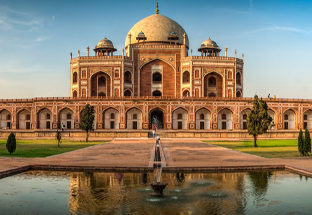





Visit the UNESCO World Heritage Sites in Delhi and experience the imperial and Mughal architecture.
Enjoy a Cycle Rickshaw ride in the narrow lanes of Chandni Chowk Bazaar of Delhi.
Visit to one of the 7 wonders of the world Taj Mahal and discover the magic of white marble at Agra.
Go on a Mughal Heritage Kachhpura Village Walk tour in Agra- an eye opening experience.
Enjoy Guided tour of the Pink City.
Heena Painting on Hands and Feet in Jaipur.
Tour of Bagru Village to meet local people and experience the unique style of Wooden block prints.
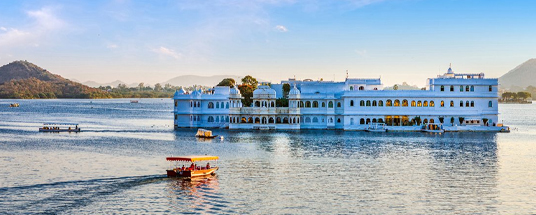
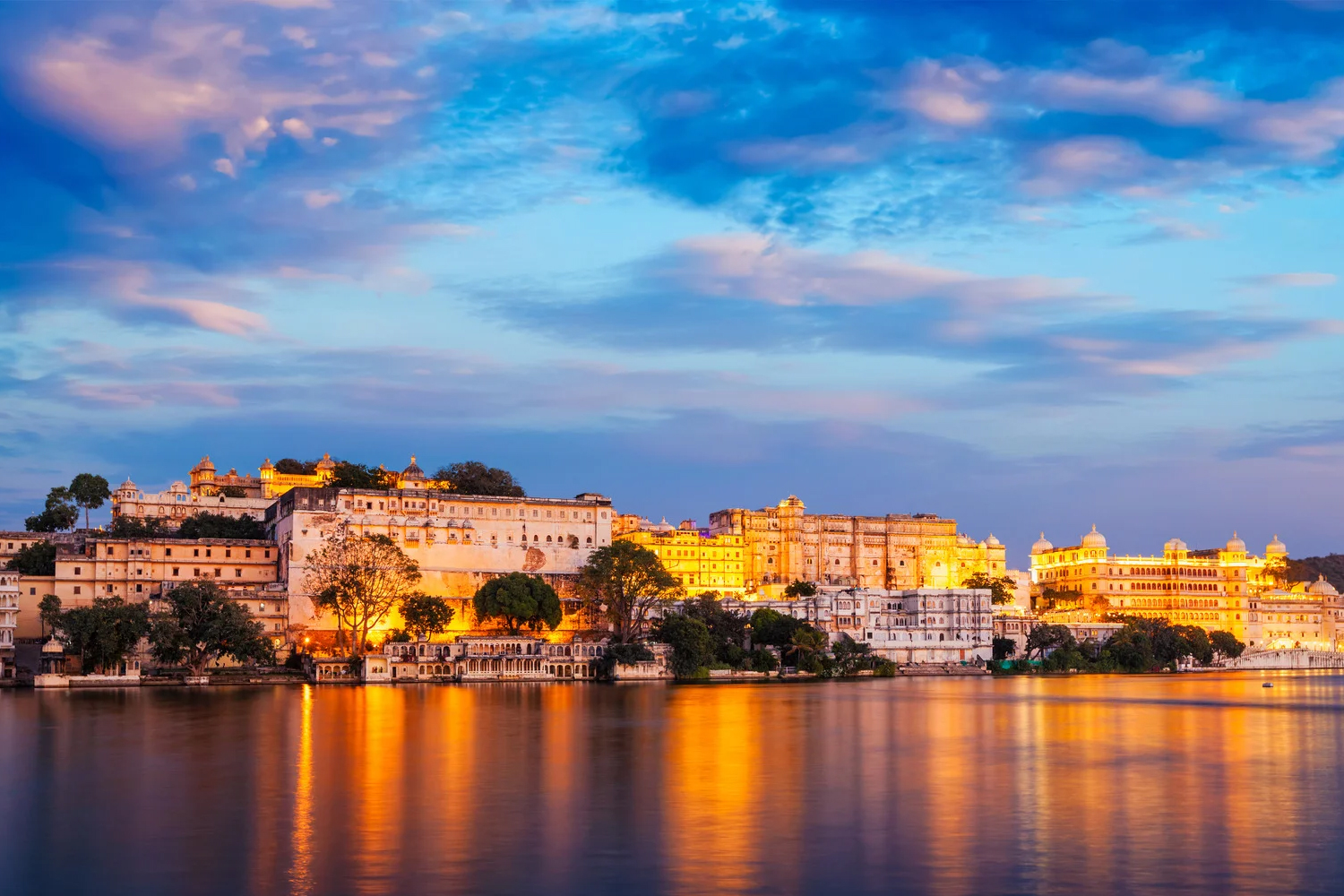
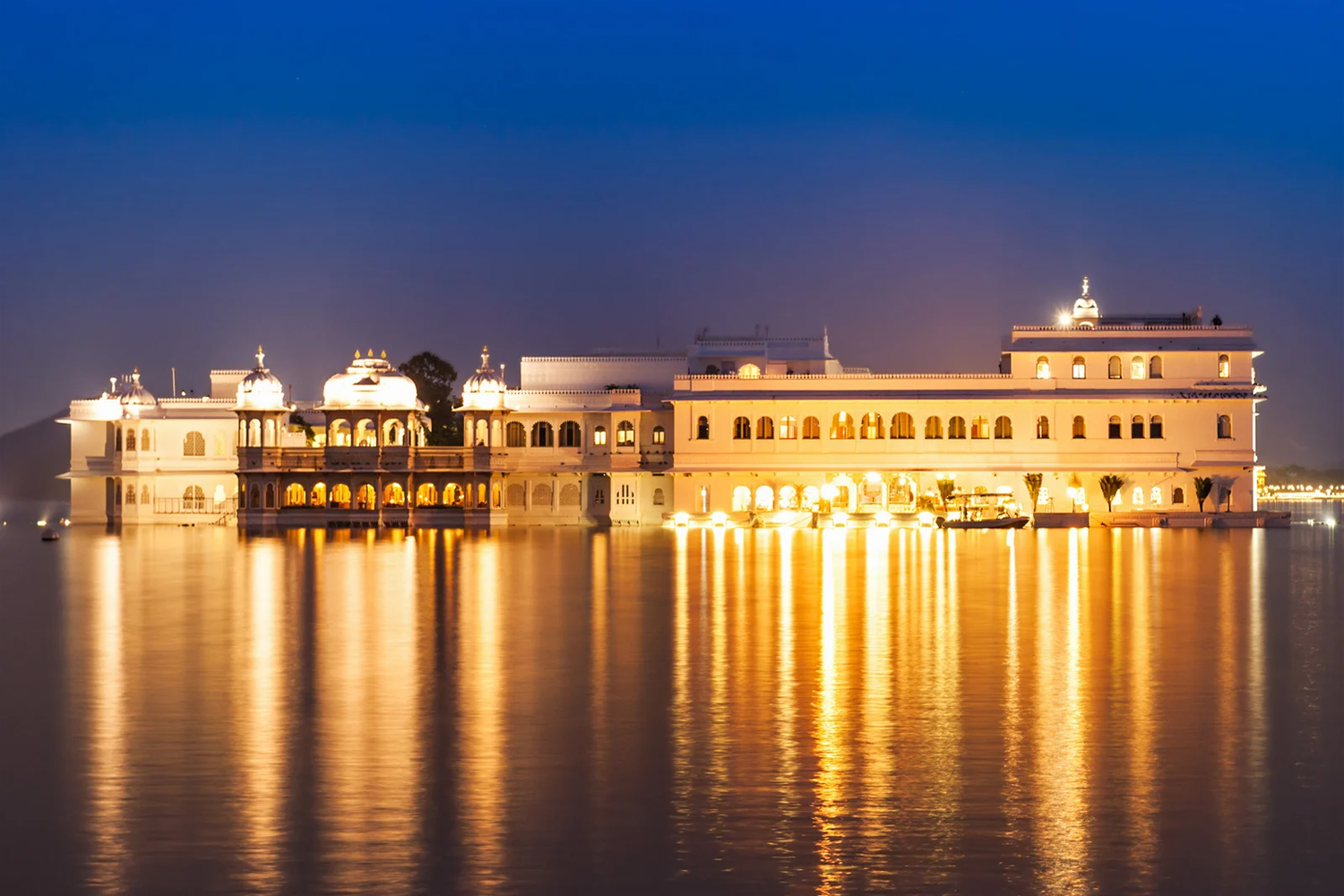
Sharing Boat Ride at Lake Pichola – an artificial lake located in the heart of Udaipur.
Meet locals and see the art & craft of Udaipur
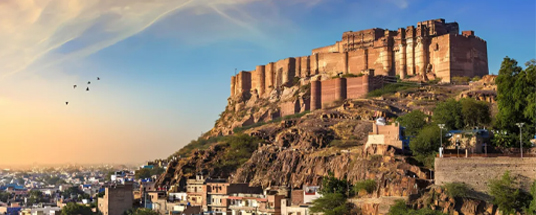
Visit to Mehrangarh Fort and experience the other architectural prowess of Jodhpur.
Bishnoi Village visit near Jodhpur and interact with locals.
Visit to Ranakpur Jain Temple – one of the most important among the five major pilgrimage centers of Jainism
Itinerary
Day 01: New Delhi
On arrival at Delhi International Airport receive a warm welcome from our representative who will help you with transfers and smooth hotel check in. Complete the check-in formalities and spend rest of the day at leisurely. (Standard Check in time for every hotel is 02:00PM. Early check in is subject to availability)
The country’s capital epitomizes its rich past and flourishing present. Umpteen attractions of Delhi not just captivate the attention of the tourists but also leave them astound.
On arrival, check in to hotel, leisure and overnight at hotel.
Overnight at New Delhi
Day 02: New Delhi
After breakfast, proceed for sightseeing tour of the city with your guide.
Drive past or if you wish you may visit Red Fort – Located in the center of the city, it was the main residence of the emperors of the Mughal dynasty. It was constructed by Shah Jahan in the year
1939 as a result of a capital shift from Agra to Delhi.
Drive Past or if you wish you may take a stop at Raj Ghat: Raj Ghat in Delhi is the cremation site of Mohandas Karamchand Gandhi who is most rivetedly remembered as the Father of Nation. Set amidst
deep green lawns and fountains, Rajghat is surrounded by a lovely wooded area and several exotic trees creating a serene ambience.
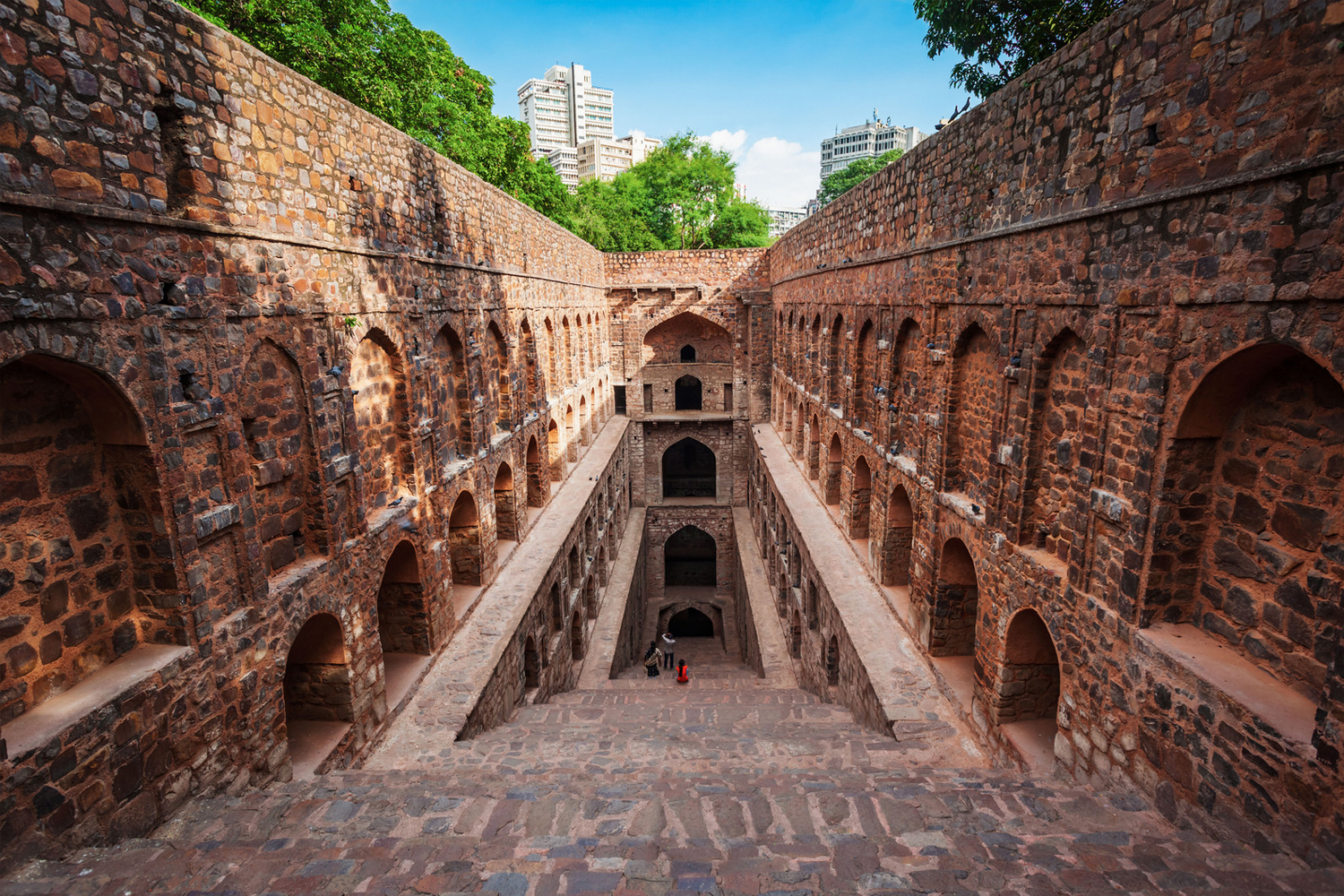
Visit Agrasen ki Baoli (ancient water reservoir)- Also referred to as Agar Sain Ki Baoli or Ugrasen ki Baoli, this attraction is a historical monument situated on the Halley Road in New Delhi. A mosaic
of different assortment of stones and rocks, Agrasen ki Baoli is an ancient water reservoir which rises from the depths of the earth to stand atop 103 stone steps.
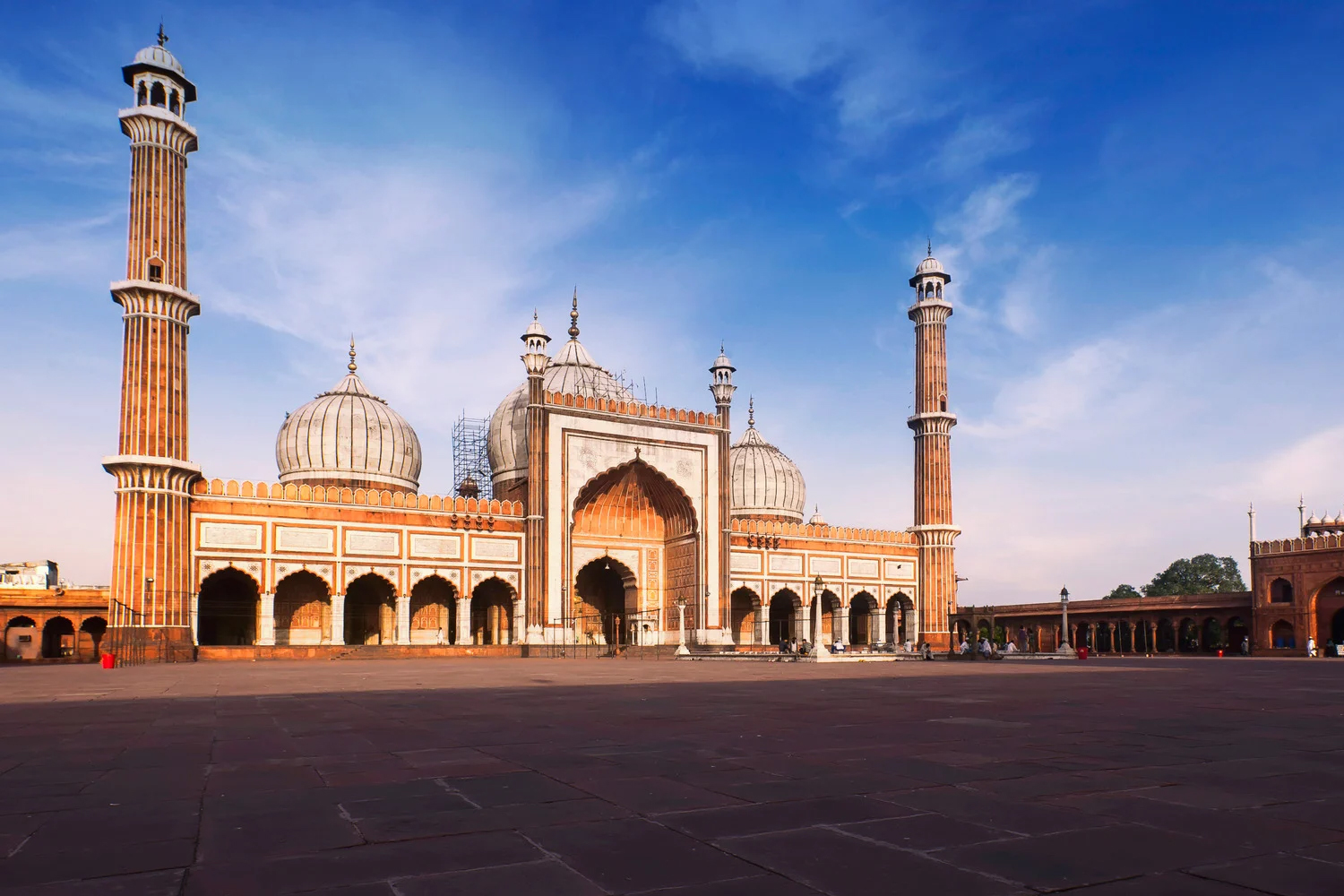
Visit Jama Masjid: Known as central mosque of the old Delhi at the time of Shah Jahan. He completed this mosque in the year 1656 and made it the biggest and best known mosque all over in India.
Visit Chandni Chowk – ‘the Moonlight Square – One of the oldest and busiest markets in Old Delhi. It is an important historical site renowned for the availability of every kind of goods as well as
food. It was constructed in the 17th-century by the Mughal ruler of India Shah Jahan. Chandni Chowk is a perpetually busy area filled with narrow, congested lanes, each specializing in a different product
such as spices, jewelry, hardware, and stationery. This is the bustling hub of commerce in the old city. Enjoy a Cycle Rickshaw Ride which takes you through the narrow streets of the Chandni Chowk.
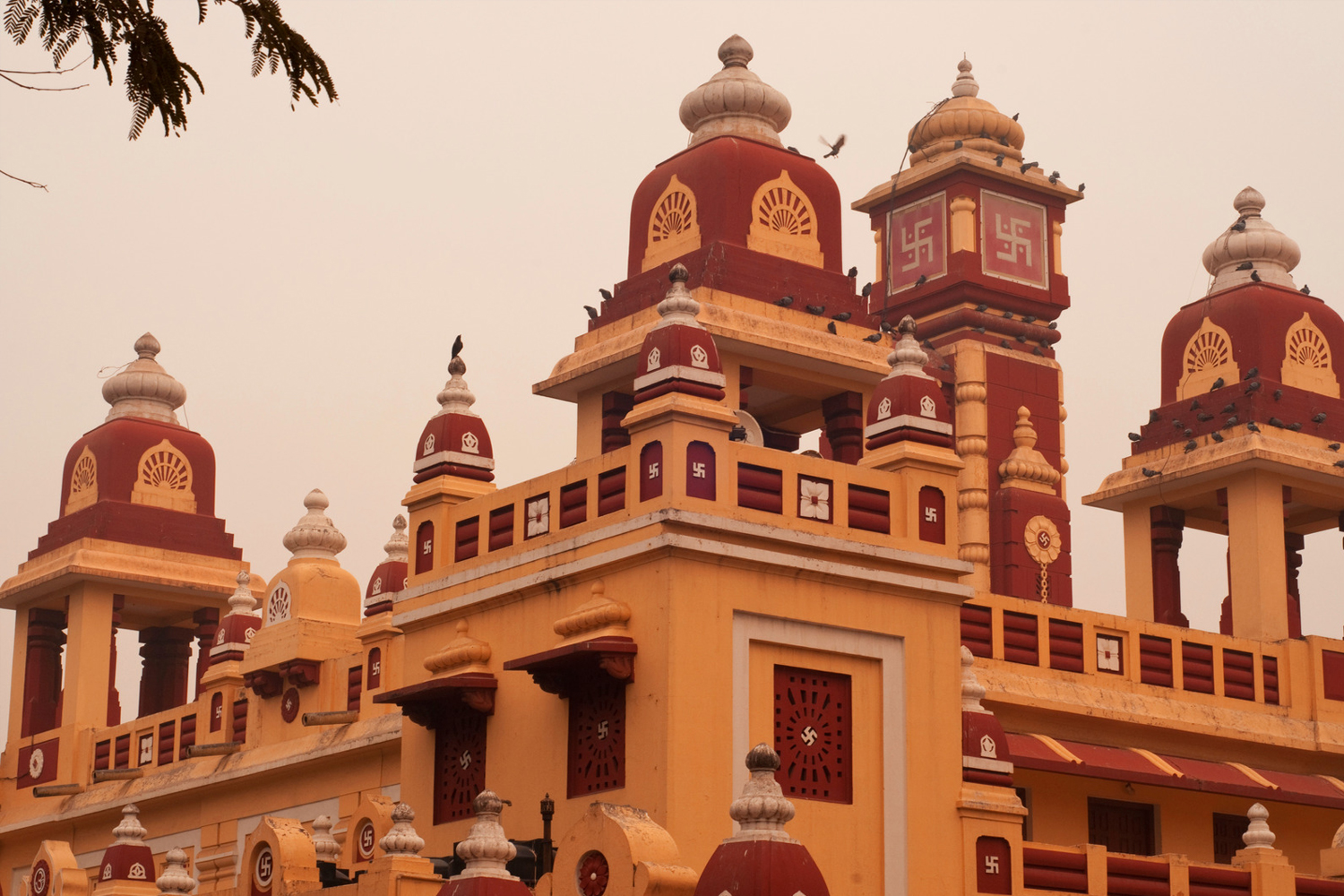
Visit Lakshmi Narayan Temple: Alternatively known as the Birla Mandir, the sacred place is dedicated to Lord Vishnu and his consort Goddess Lakshmi. Temples of other Hindu Gods and Goddesses are present
within the complex.
Drive Past India Gate: The India Gate (originally the All India War Memorial) stands as a memorial to 70,000 soldiers of the British Indian Army, who died in between 1914–1921 during the First World
War. Visit National War Memorial: The National War Memorial is a monument built by the Government of India near India Gate, New Delhi, to honor the Indian Armed Forces.
Also pass by the Rashtrapati Bhavan (formerly the viceroy's residence) and the Parliament House.
Also enjoy 01 Special lunch at Local Restaurant in Delhi.
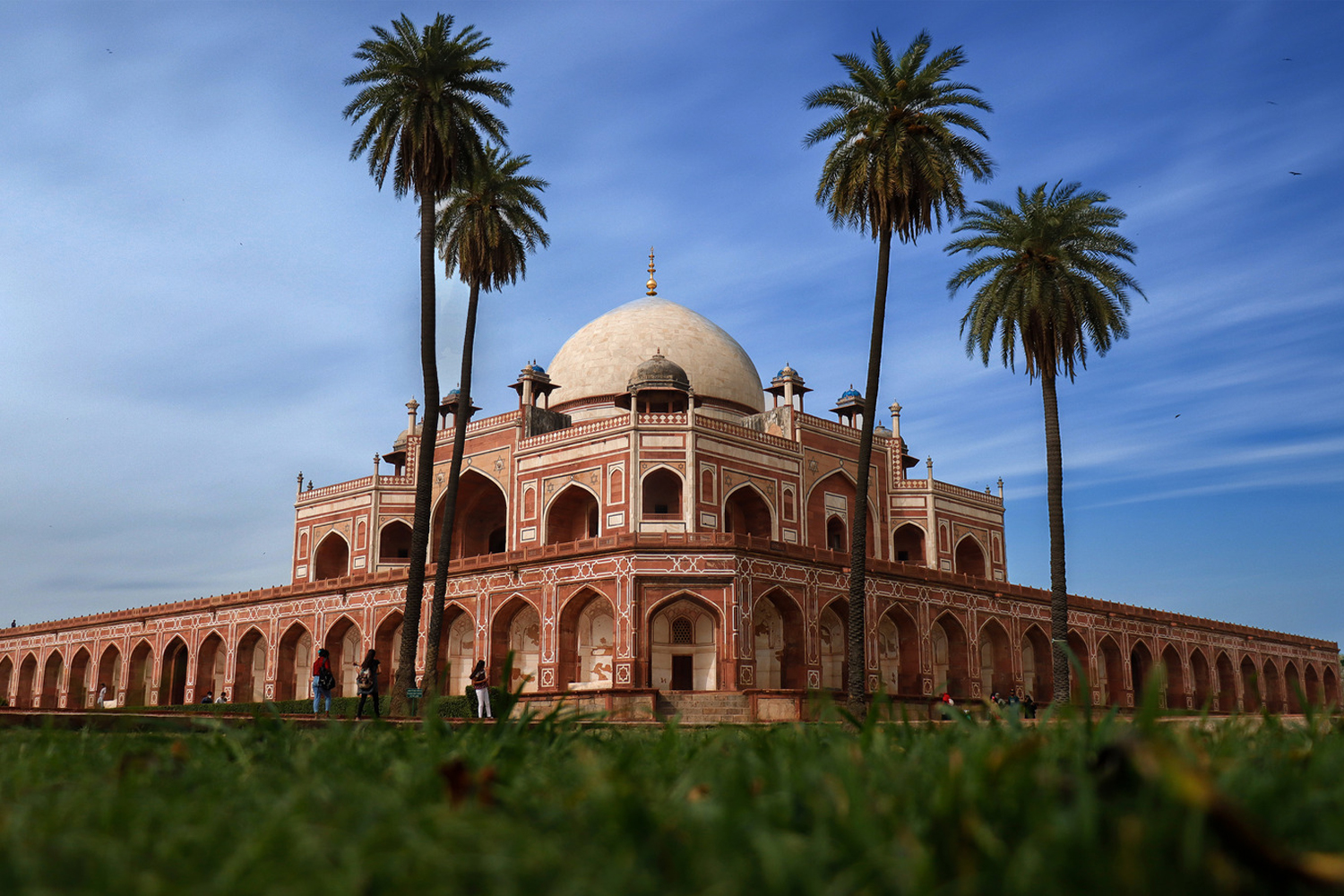
Visit Humayun's Tomb – It is sublimely well proportioned, seeming to float above its symmetrical gardens. It's thought to have inspired the Taj Mahal, which it predates by 60 years. Constructed for
the Mughal emperor in the mid-16th century by Haji Begum, Humayun's Persian-born wife, the tomb marries Persian and Mughal elements.
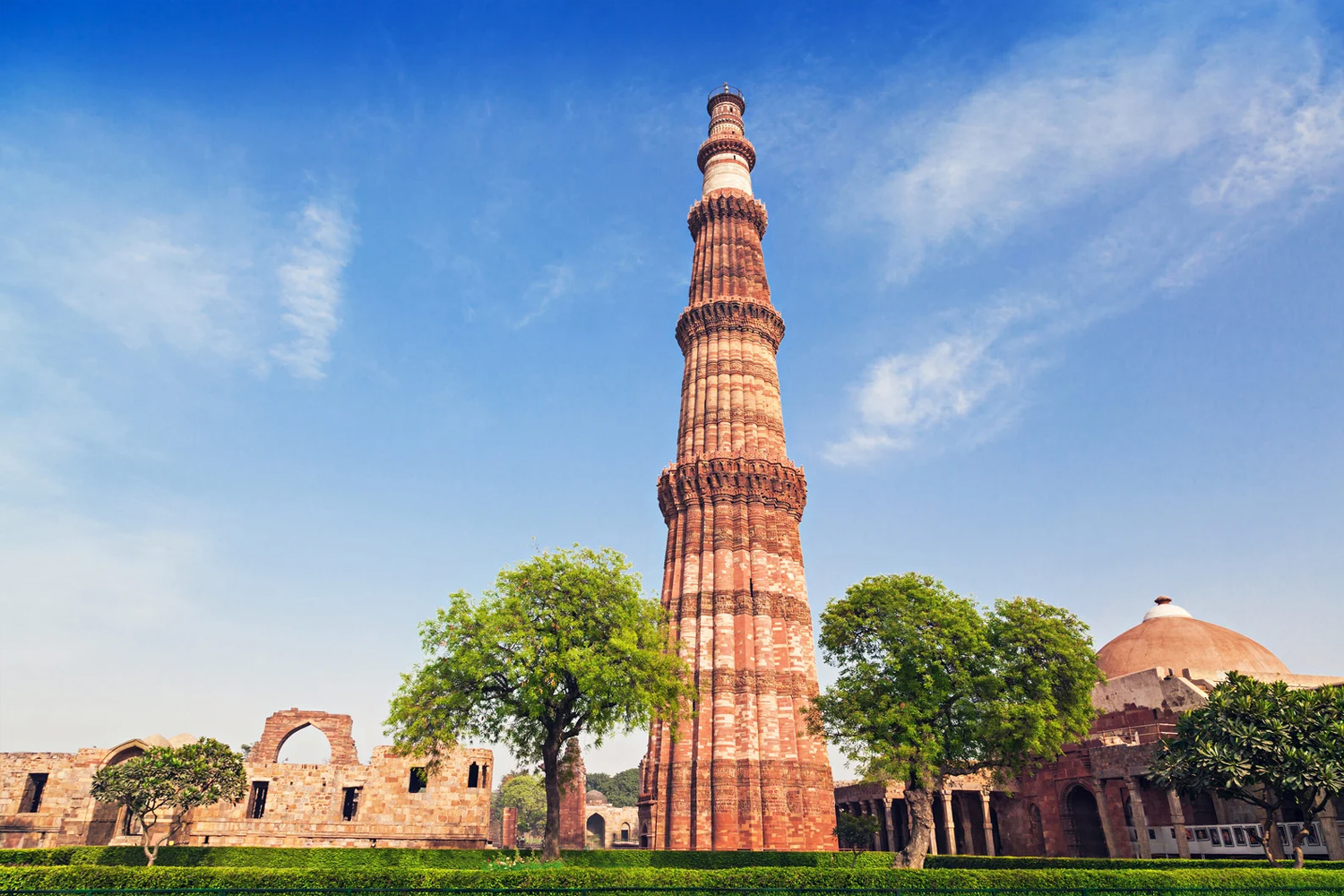
Visit Qutub Minar: - Qutub Minar is a UNESCO World Heritage Site and has survived the ravages of time impressively. Built in the 13th century, the magnificent tower stands in the capital, Delhi. Also
see the Iron Pillar, situated inside the Qutub Complex, stands majestically with a height of 24 feet. It is placed in front of the Quwwatul Mosque in Qutub Complex. Iron pillar is made up of 6 tons of 98%
wrought iron, which is also attributed to be one of the reasons for why this pillar hasn’t rusted.
Meals Included: Breakfast at Hotel & Lunch at Local restaurant.
Overnight at New Delhi
Day 03: Agra
After hearty breakfast, travel to Agra in an Air Conditioned Vehicle by road.
Home to one of the 7 wonders of the world, the Taj Mahal, Agra is a sneak peek into the architectural history with other UNESCO World Heritage Sites as Agra Fort and Fatehpur Sikri. History, architecture,
romance all together create the magic of Agra and hence makes for a must-visit for anyone living in or visiting India. On arrival, meet our representative and check in to hotel.
In the evening enjoy 01 Special Dinner at Taj Facing Rooftop Restaurant in Agra.
Meals Included: Breakfast at Hotel & Dinner at Rooftop restaurant
Overnight at Agra
Day 04: Agra
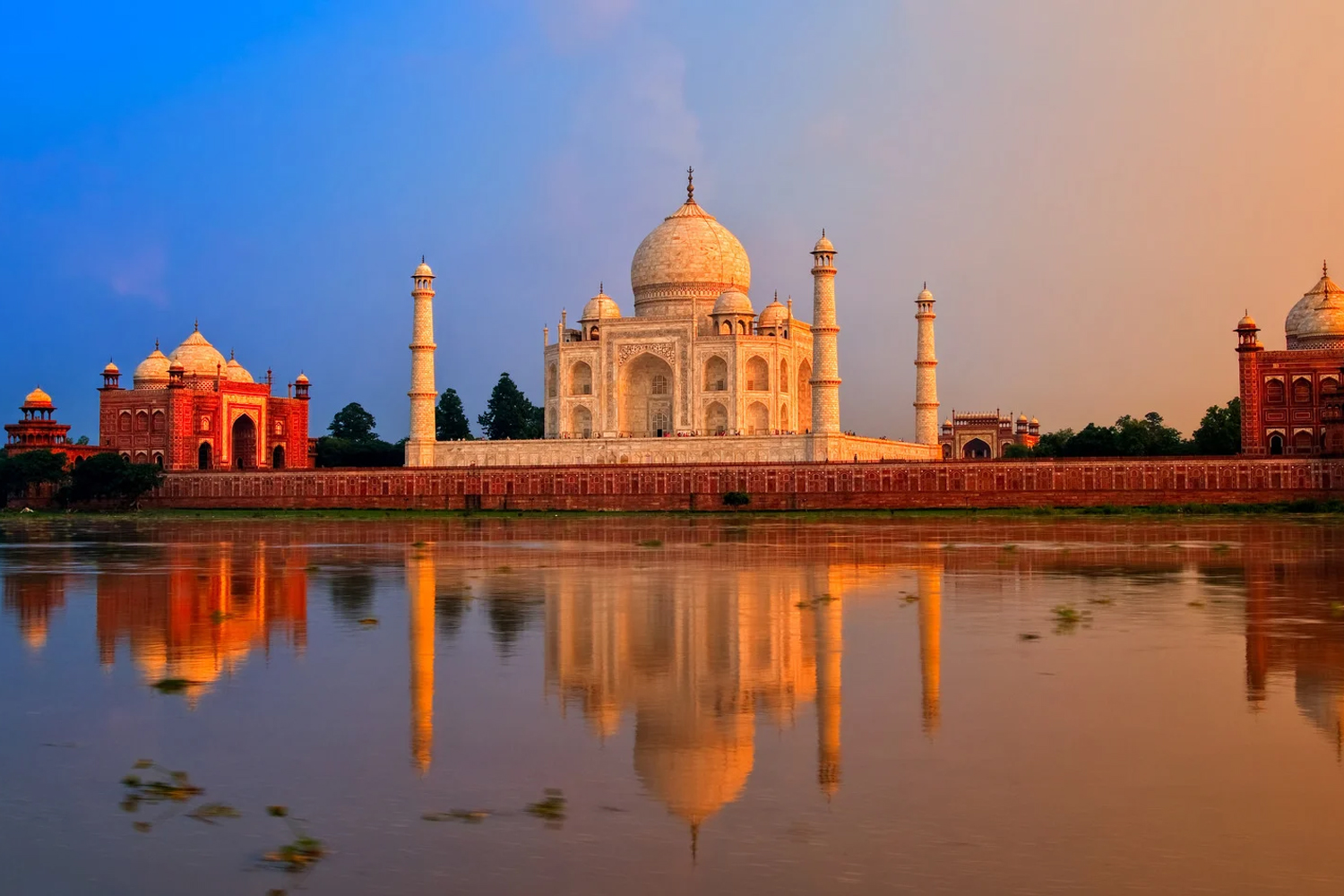
Early morning visit Taj Mahal during Sunrise: One of the seven wonders or symbol of love. The Taj Mahal stands for the Crown of Palaces in the Persian language. It was built by the Mughal Emperor
Shah Jahan as a memorial for his third wife, Mumtaz Mahal. Constructed entirely out of white marble in the 17th century, it is among the finest edifices of Mughal architecture. As fuel based vehicles are not permitted in the vicinity of Taj Mahal, you will head to Taj Mahal gate by a Battery operated Bus. (Friday Closed).
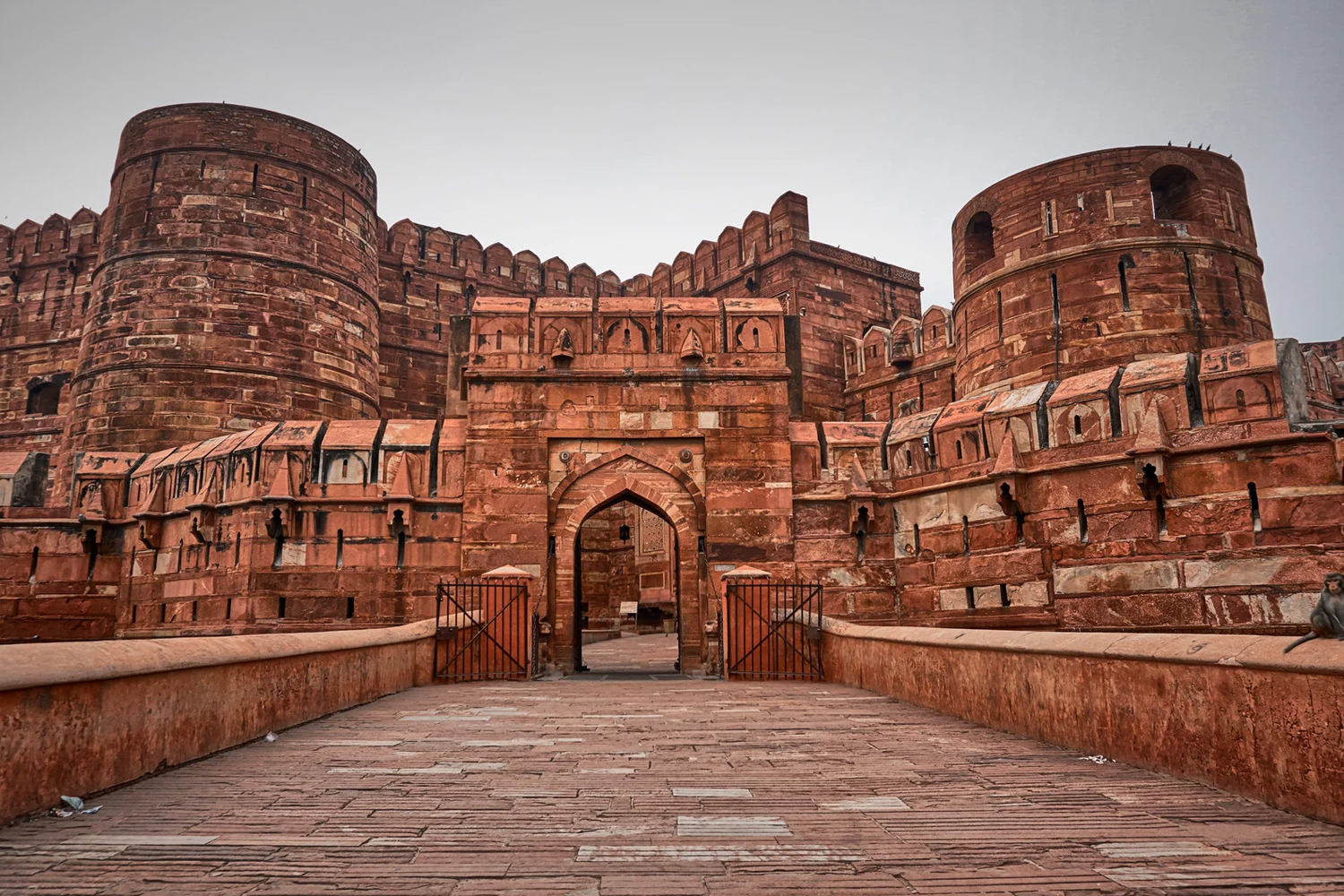
After breakfast, visit Agra Fort (An Epitome of the Mughal Dynasty) – An architectural masterpiece, The Red Fort of Agra or Agra Fort was built by Emperor Akbar in 1573. One of the UNESCO World Heritage
Sites, the fort was once the erstwhile residence of the Mughals until the year 1638. Within the premises of the fort lie the most exquisite structures of the Mughals like the Pearl Mosque, Diwan-i I Khas,
Diwan-I-am, Moti Masjid and Jahangir Mahal. Each and every one of these edifices has remarkable handiwork and ornamentation that make this place a delight for every history and architecture lover.
Visit Itmad-Ud-Daulah’s Tomb: Also known as “Baby Taj”, it is a tomb built with white marble in the typical Islamic style architecture. It was built by the Mughal Empress Noor Jahan in the memory
of her father Itmad-Ud-Daulah. It happens to be one of the must visit monuments of Agra.
Late afternoon go for Mughal Heritage Kachhpura Village walk with high tea. A narrow bridle path through agriculture fields near Mehtab Bagh takes you into the ancient village of Kachhpura and Humayun’s
Mosque. The walk through Kachhpura starts with explaining the paintings (sanji art) on the walls done by community girls under the youth program. Humayun’s Mosque is another monument that is situated inside
the village. This is a strange peculiar kind of mosque ever built by Mughals. It has one deep narrow, great central ricer or compartment entered by a high arch and domed in the center with one recess in
its weak wall. At each side of this central compartment the building is lower and broken up into the smaller chambers. One can also visit the village school situated near the courtyard. Walk ends in Mehtab Bagh from where you will have the opportunity to watch the Taj Mahal during sunset.
If you wish, you may go for below optional tour (at additional cost)
Mohabbat the Taj Show- You can watch the famous Mohabbat the Taj show, presented by the Sanskritik Natyashala. It is a series of play depicting the saga of love. It depicts the true and immortal love
of the Mughal Emperor Shajahan for Mumtaj Mahal - his beautiful wife. This is an exciting show to know more about the Taj Mahal.
Meals Included: Breakfast
Overnight at Agra
Day 05: Jaipur
After breakfast, check out from hotel and travel to Jaipur by Air Conditioned vehicle.
En-route take a stop to visit Fatehpur Sikri.
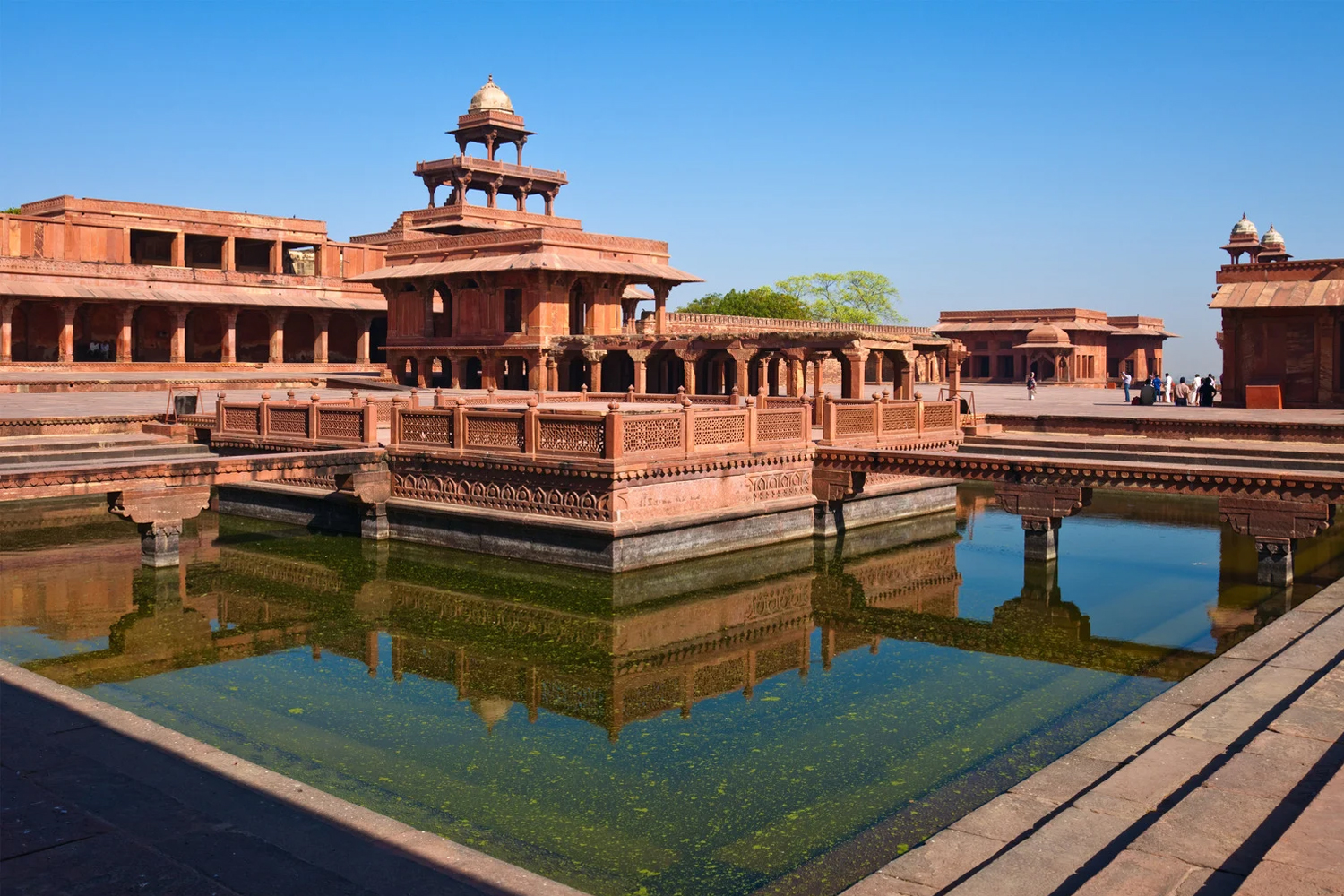
Fatehpur Sikri: A city predominantly made of red sandstone, Fatehpur Sikri was founded in 16th century by Mughal Emperor Akbar. It is essentially a fortified city built by the king and had been the
capital of his Empire for fifteen years. Now a UNESCO world heritage site and a famous tourist attraction, it is a fine example of Mughal architecture.
After Fatehpur Sikri visit, continue your travel to Jaipur – The Pink City.
Jaipur is a vibrant amalgamation of the old and the new. Jaipur has been ruled by Rajput kingdoms for many centuries and developed as a planned city in the 17th century AD. Along with Delhi and Agra, Jaipur
forms the Golden Triangle, one of the most famous tourist circuits of the country.
On arrival, meet our representative and check in to hotel. Leisure and overnight at hotel.
Meals Included: Breakfast
Overnight at Jaipur
Day 06: Jaipur
After breakfast, proceed for full day Jaipur sightseeing tour with your Guide.
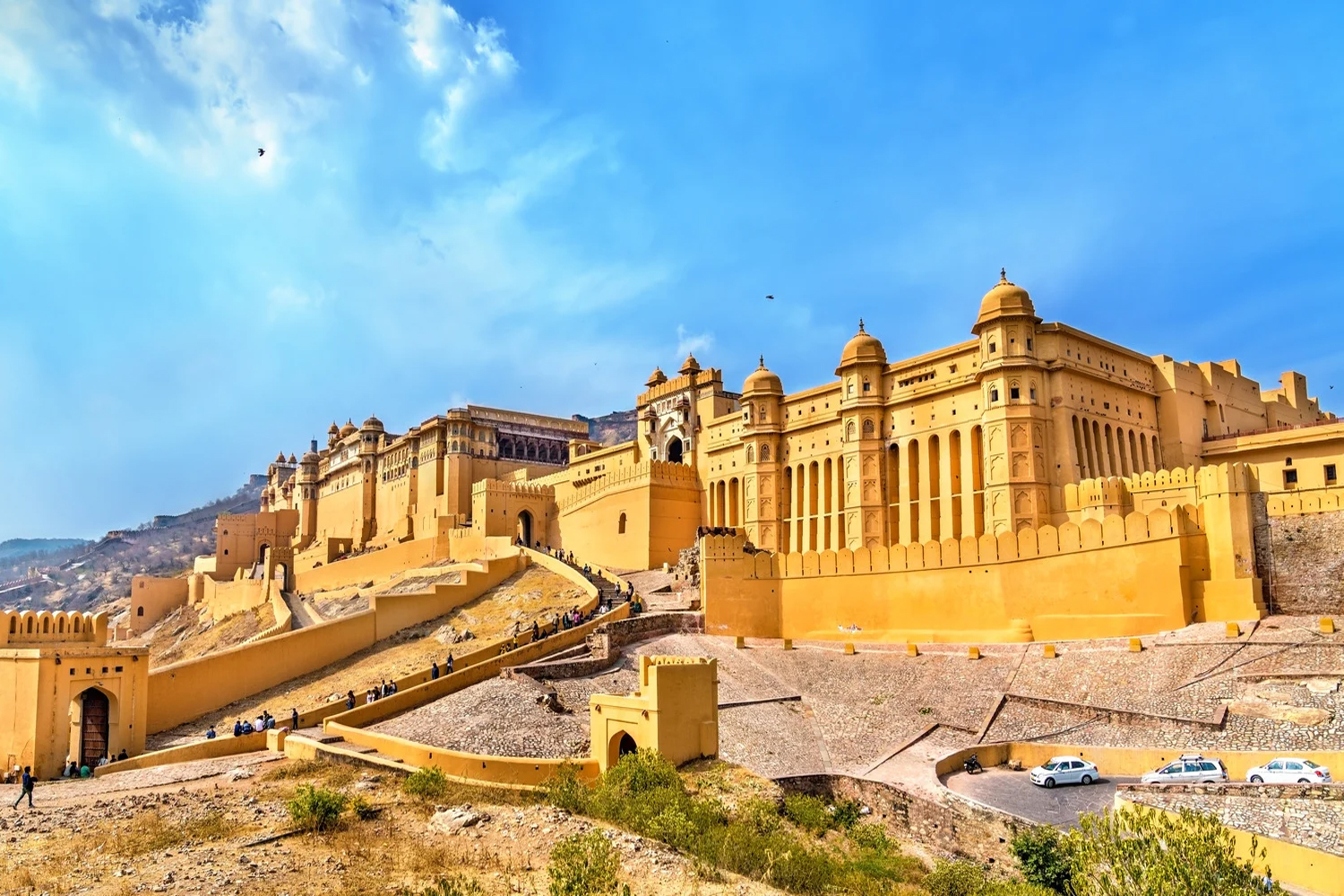
Visit Amber Fort – One of the most magnificent palaces in India. this majestic building with its maze-like passages and serpentine staircases is an architectural masterpiece and with significant importance in Indian history. Built by one of the most
trusted generals of Akbar, Maharaja Man Singh I in the year 1592, Amer Fort served as the main residence of the Rajput Rulers. The Fort is perched on a hill, so to reach there, you may enjoy an Elephant/Jeep ride in Amber fort. (Elephant Ride can be done only till 11:00AM, post that time Jeep Ride)
Visit Jantar Mantar – largest stone astronomical observatory in the world. Owing to its rich cultural, heritage and scientific value, Jantar Mantar in Jaipur has also been featured on UNESCO's list
of World Heritage Sites. Jantar Mantar was built by Raja Sawai Jai Singh in 1727-33 and is built out of stone and brass. The main objective of building this vast observatory was to study and gather information
about space and time.
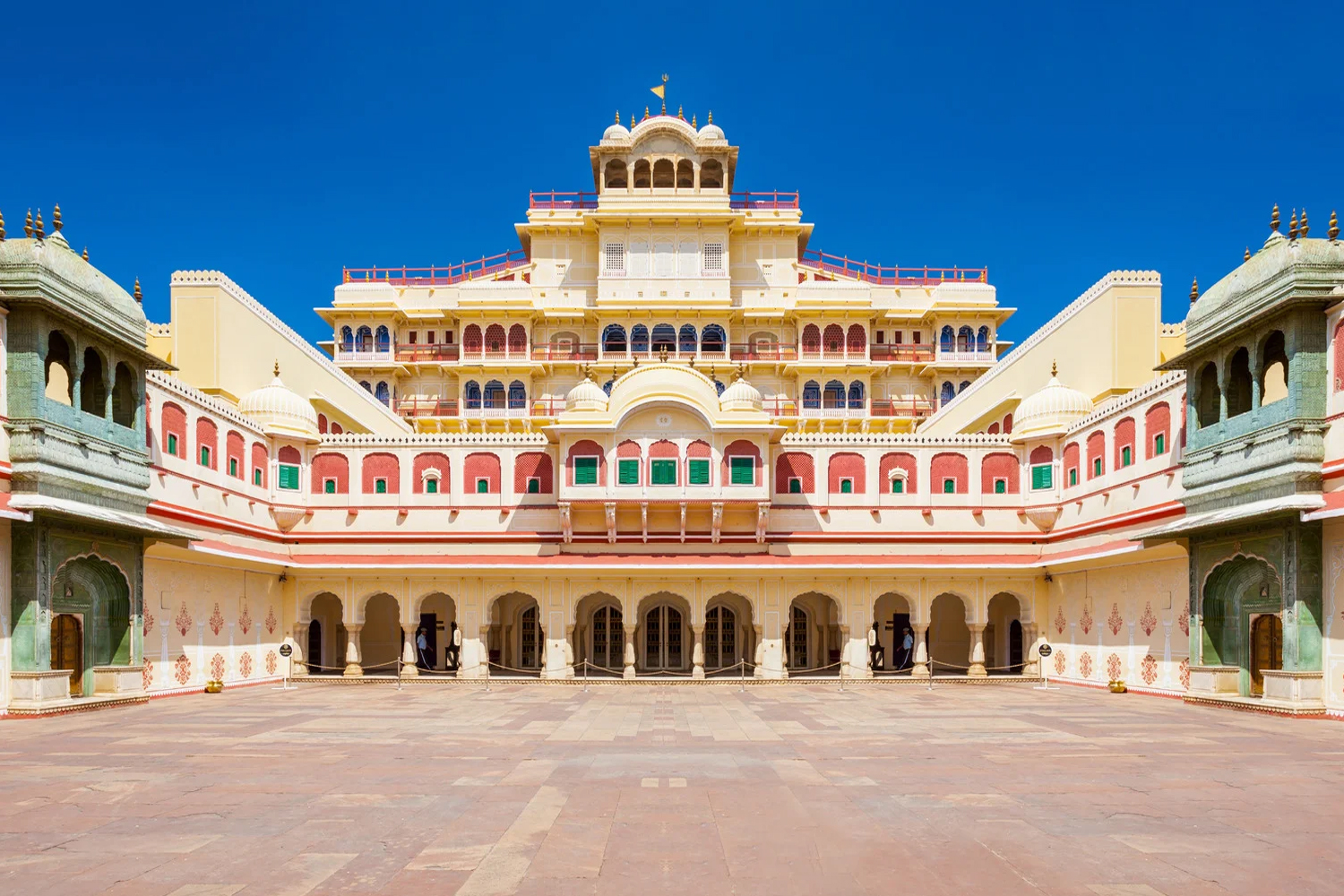
Visit to City Palace and Museum– Built by Maharaja Sawai Jai Singh during the years 1729 to 1732, the vast complex of the palace occupied one-seventh of the walled city. In fact, it was once the seat
of the Maharaja of Jaipur. The palace is divided into a series of courtyards, buildings and gardens including the Chandra Mahal and the Mubarak Mahal. The museum showcases various unique handcrafted products
and other things that belong to the royal heritage of the City Palace.
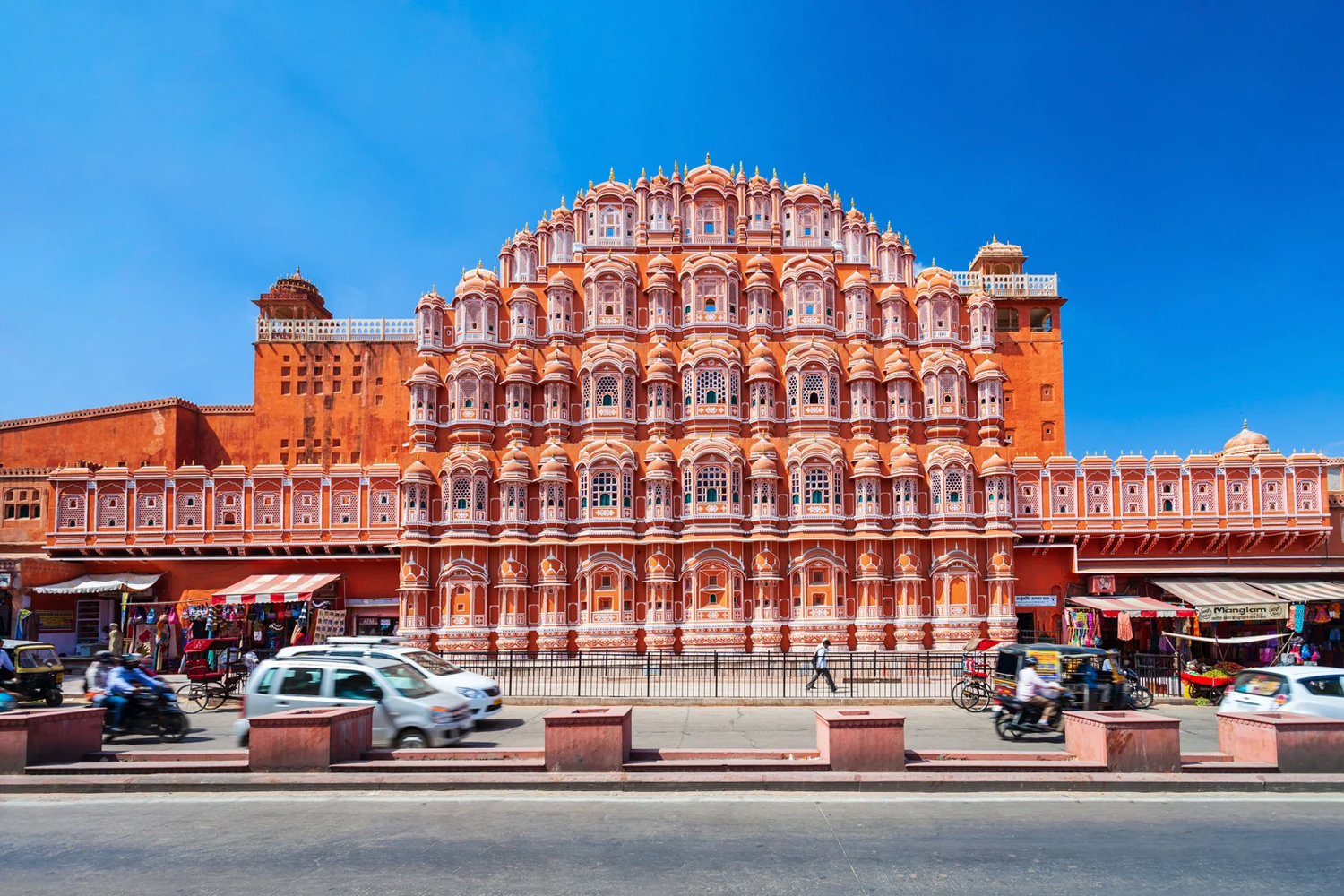
Photo Stop Hawa Mahal – built by Maharaja Sawai Pratap Singh in the year 1799. Hawa Mahal derives its name from its unique structure, which is a mesh of small windows that allowed cool wind to enter
the palace and hence kept the palace comfortable during the hot summer months. The main reason behind the palace's construction was to allow the women of the royal house to observe the festivities on the
streets whilst being unseen from the outside as was the custom of the land.
In the evening enjoy Heena Painting on hands and Feet.
Meals Included: Breakfast
Overnight at Jaipur
Day 07: Udaipur
After breakfast, check out from hotel and board your flight for Udaipur – The city of Lakes
Udaipur, also known as the City of Lakes, is the crown jewel of the state of Rajasthan. It is surrounded by the beautiful Aravalli Hills in all directions, making this city as lovely as it is. This 'Venice
of the East' has an abundance of natural beauty, mesmerizing temples and breathtaking architecture which makes it a must-visit destination in India. On arrival, check in to hotel, leisure and overnight at hotel.
Meals Included: Breakfast
Overnight at Udaipur
Day 08: Udaipur
After breakfast, proceed for Udaipur sightseeing with your guide.
Visit to City Palace & Museum – Built on the banks of Lake Pichola, the City Palace in Udaipur is considered to be the largest royal complex in Rajasthan. The magnificent palace was built in the year
1559 by Maharana Uday Singh and served as the main seat of power, where the Maharanas lived and administered the kingdom from. The Palace now has an assortment of Mahals, courtyards, pavilions, corridors,
terraces, rooms and hanging gardens. There is a museum here as well that showcases some of the finest elements of Rajput arts and culture - from colorful paintings to the typical architecture found in Rajasthani
palaces.
Visit the 17th century Jagdish Temple - Dedicated to the preserver of the universe, Lord Vishnu; the Jagdish Temple is a grand and majestic structure that stands in the City Palace Complex of the
breathtaking city of Udaipur.
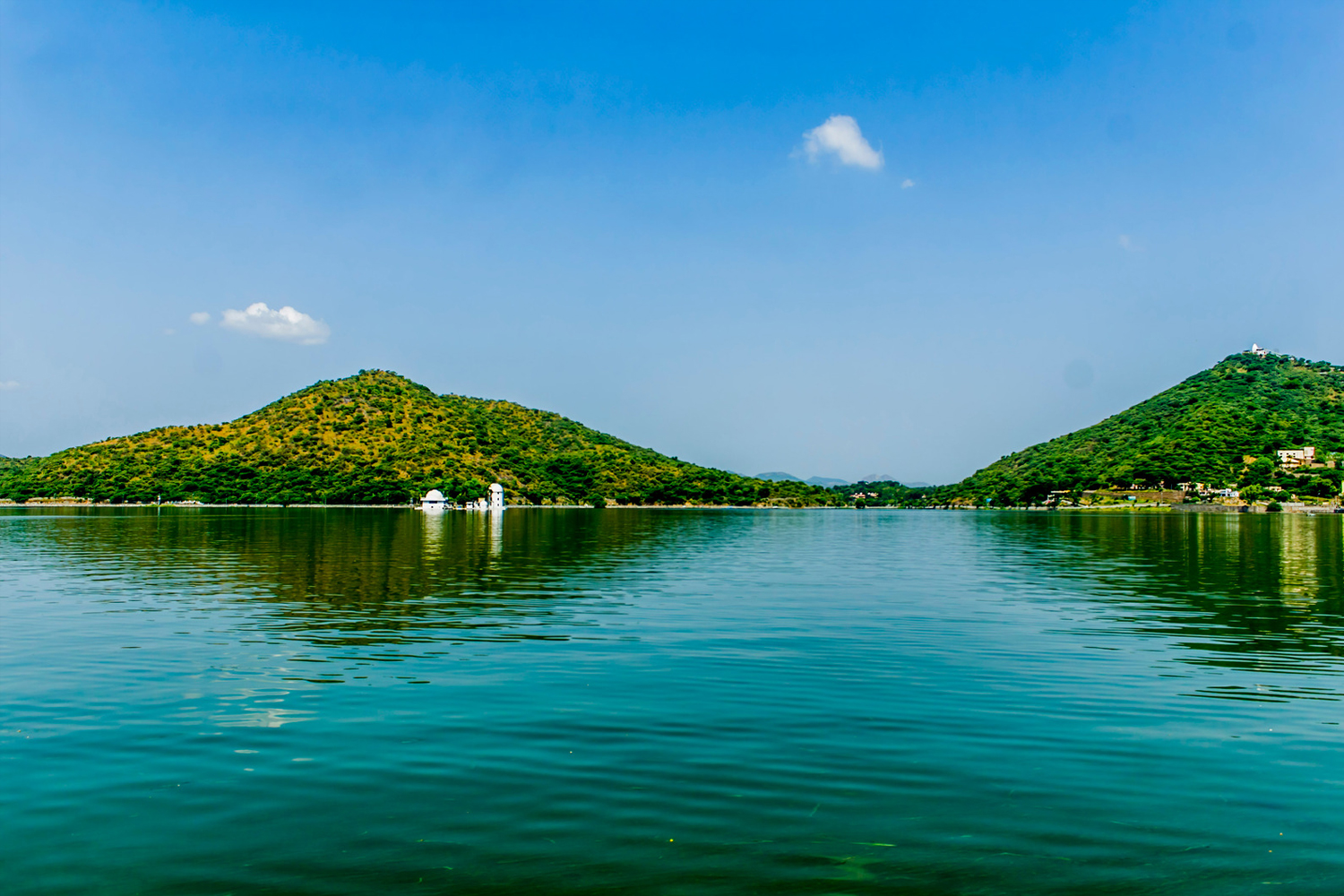
Drive around the Fatehsagar Lake – Surrounded by the Aravalli Hills, it is the second largest artificial lake in the city and is known for its scenic beauty.
Visit Saheliyon Ki Bari – a majestic garden.
It is also known as the Garden or the Courtyard of Maidens. As the name suggests, it was made for the maidens who accompanied the Princess after her marriage to Maharana Sangram Singh.
Visit Bharatiya Lok Kala Museum – It is among the most culturally important establishments of the City of Lakes and home to numerous cultural objects and artefacts that bear testament to the rich
heritage of the Mewari region.
During your tour meet various locals and communities engaged in jewelry making, pottery and bamboo craft. Also learn about the local traditions customs attached to the living habits and religious beliefs.
Later in the evening take a sharing boat ride on the 4 km long and 3 km wide Lake Pichola, which is fringed with hills, palaces, havelis, Ghats, embankments and temples and offers spectacular views
of the city.
Later in the evening, Visit Bagore Ki Haveli- an ancient building that stands on the platform of Gangori Ghat in the vicinity of Pichola Lake. The splendid architecture of the mansion boasts of delicate
carved work and excellent glass work. In the eighteenth century, Bagore Ki Haveli was built by Amir Chand Badwa. Enjoy the live evening show, which introduces you to a variety of Indian dances.
Meals Included:Breakfast
Overnight at Udaipur
Day 09: Udaipur
After breakfast, spend morning as a leisure.
In the late afternoon go for a guided walk where you will have the opportunity to visit the famous ghats and historic temples on the banks of Lake Pichola. Visit an ancient step well which were used
for drinking water by the locals. Join a family at their private residence on a cup of tea and snacks in their 150 years old residence decorated with fascinating fresco paintings and mirror work. From the
clock tower moves towards the lane where the silver smiths and gold making workers are busy making and selling the ornaments. Observe the traditional way of making clay potteries and water pitchers etc.
On this interesting walk you will see the bustling markets of Udaipur city where you will come across the vegetable, oil and bamboo markets.
Meals Included: Breakfast
Overnight at Udaipur
Day 10: Jodhpur
After breakfast, check out from hotel and board your flight for Udaipur – The city of Lakes
Udaipur, also known as the City of Lakes, is the crown jewel of the state of Rajasthan. It is surrounded by the beautiful Aravalli Hills in all directions, making this city as lovely as it is. This 'Venice
of the East' has an abundance of natural beauty, mesmerizing temples and breathtaking architecture which makes it a must-visit destination in India. On arrival, check in to hotel, leisure and overnight at hotel.
Meals Included: Breakfast
Overnight at Udaipur
Day 11: Jodhpur
After breakfast, proceed for sightseeing tour of Jodhpur city with your guide.
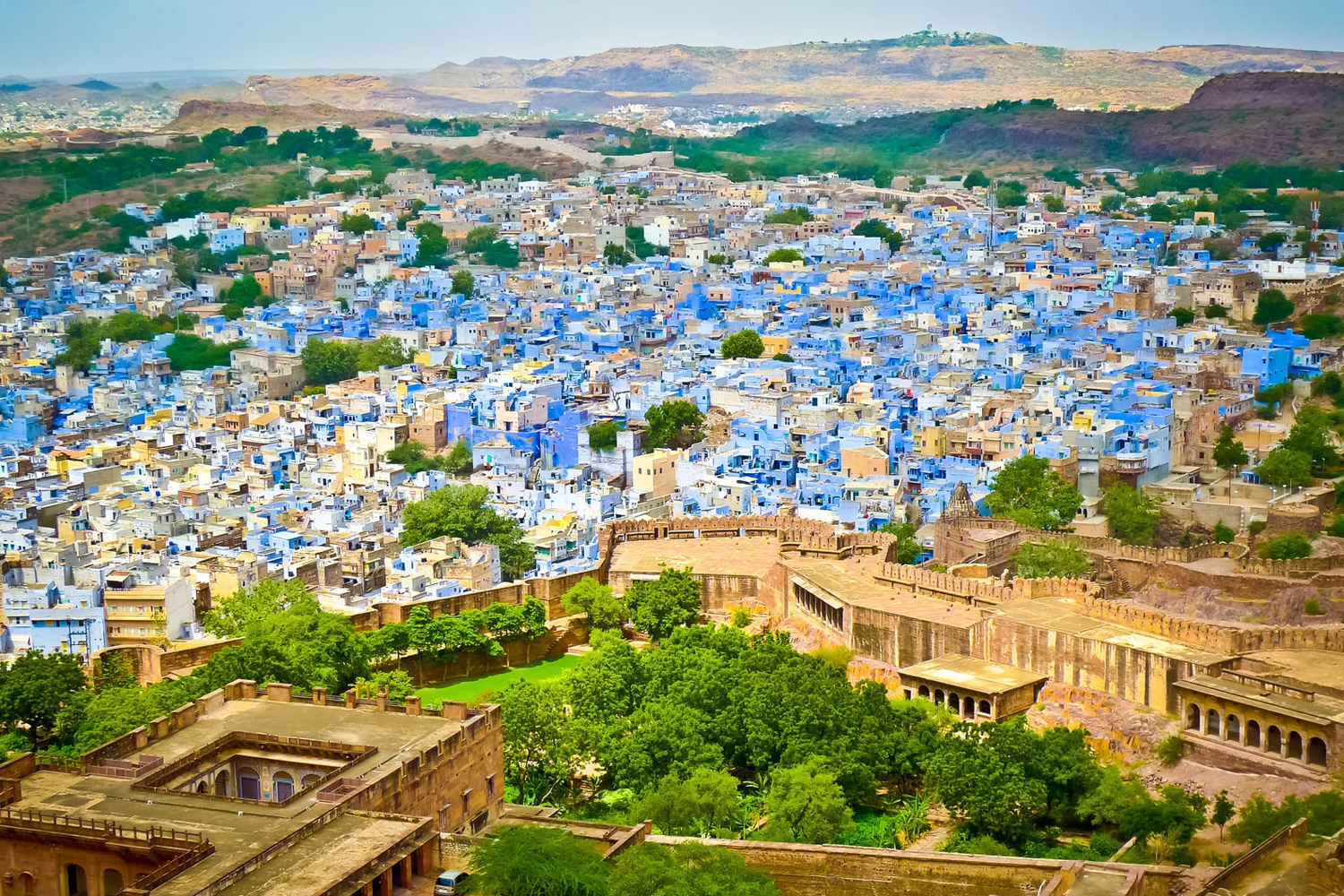
Visit Mehrangarh Fort - built by Rao Jodha in 1459 in Jodhpur, is one of the largest forts in the country. It is situated at the top of a 410 feet elevated hill and guarded by massive walls. The palace
apartments like Sukh Mahal, Phool Mahal, Sheesh Mahal etc are beautifully decorated and house jewelry, costumes, armory, palanquins, howdahs and other remnants of the past.
Visit- Jaswant Thada - The Royal Cenotaphs of Jodhpur
This white marbled architecture is a memorial site of a Rajput clan. This cenotaph was built in the 19th century by Maharaja Sardar Singh in the memory of his father, Maharaja Jaswant Singh II, the 33rd
Rathore ruler of Jodhpur. The architecture is made of white marbles which are so fine that the outer surface of the whole building emits a warm glow during sunlight. Currently it exhibits a variety of paintings
and portraits of Jodhpur rulers.
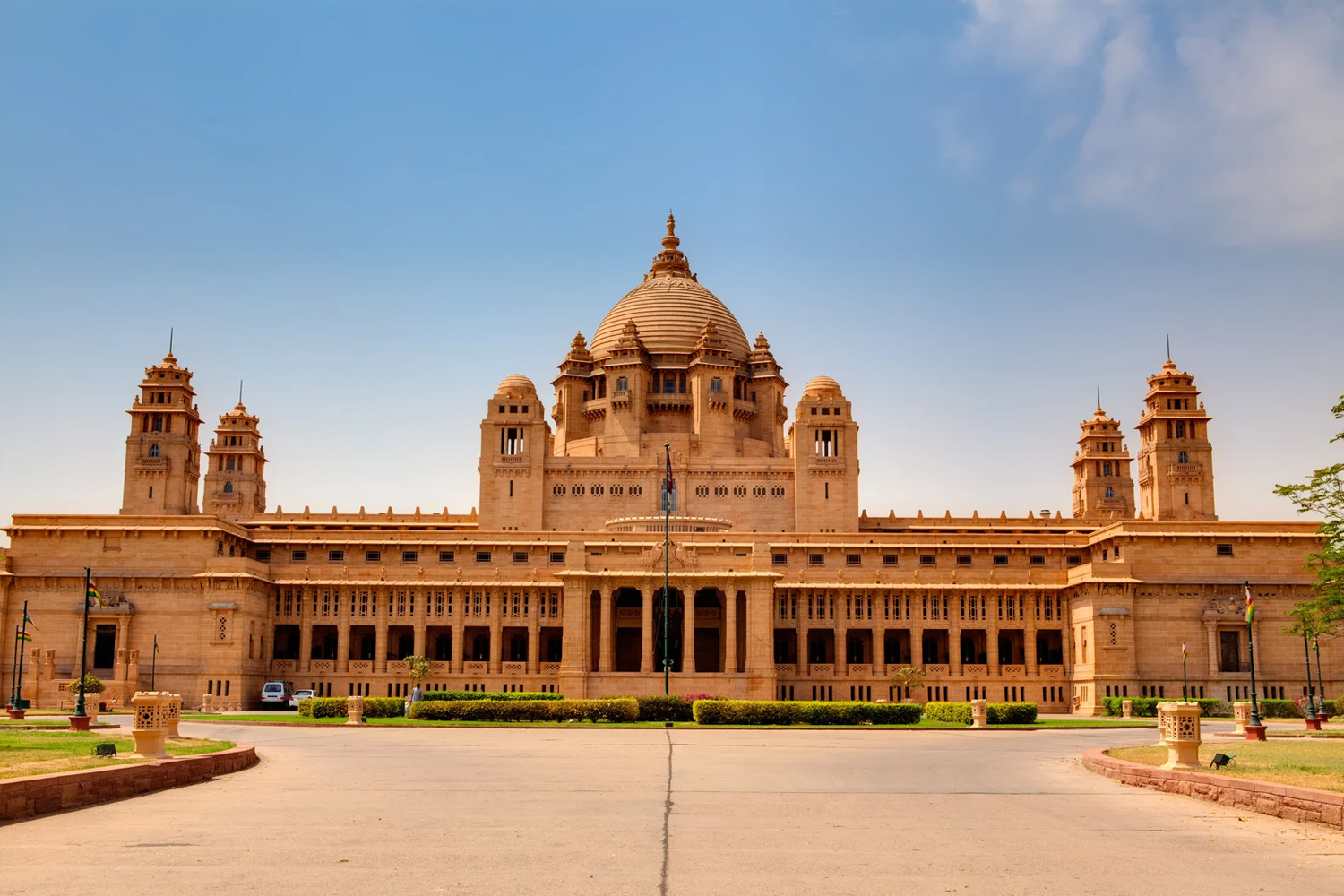
Visit the museum located in the Umaid Bhawan Palace.
Visit Madore Garden& Museum – Famous for its wide green expanses, exquisite architecture and royal cenotaphs, Mandore Garden of Jodhpur is indeed a sight to behold. The garden is a part of the more massive Mehrangarh Fort, and also houses the famous
Hall of Heroes and the temple of Three Hundred Million Gods. The garden also has a Government Museum, which is full of artefacts and old relics. (Museum is Closed on Friday)
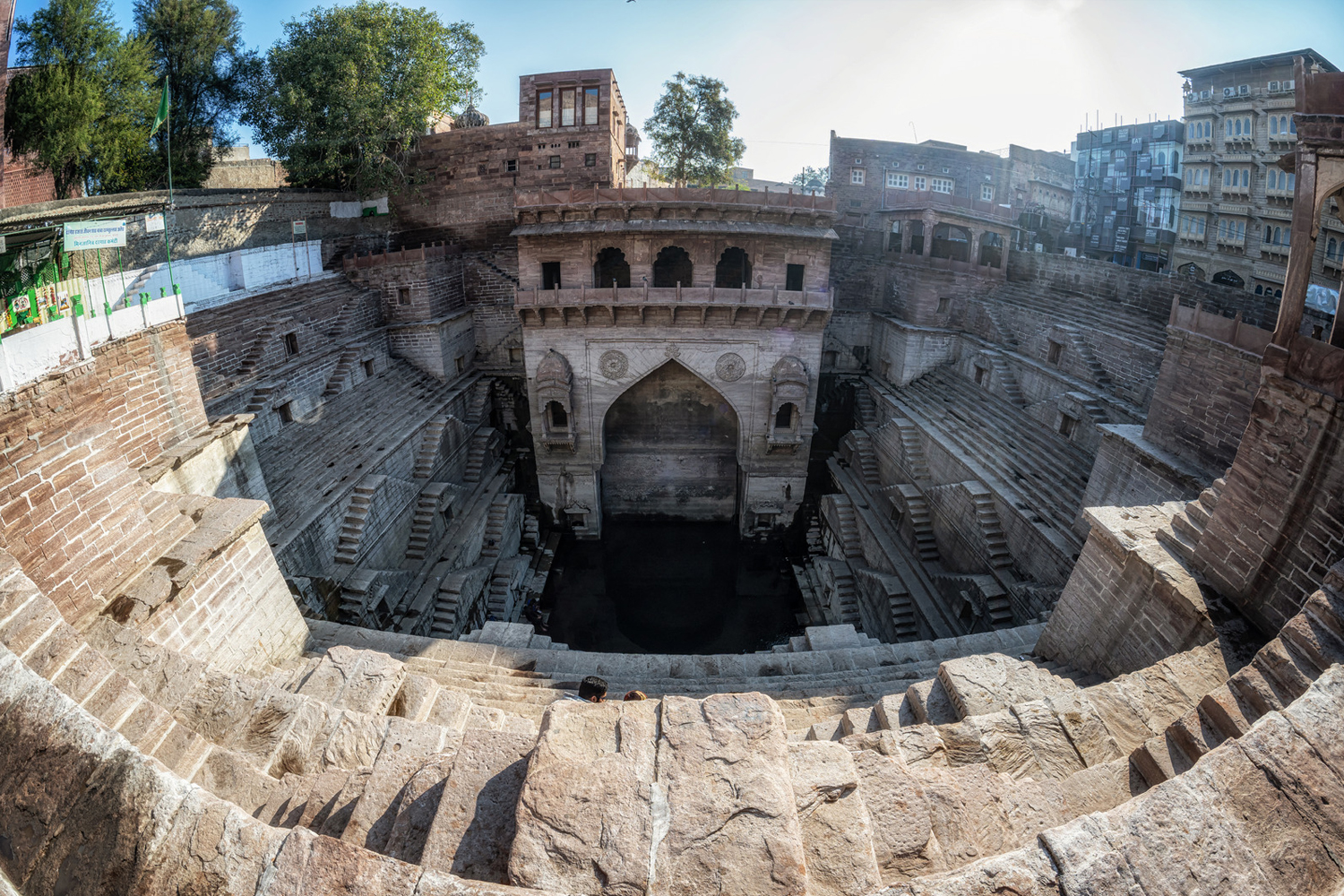
Visit Toorji Ka Jhalra Bavdi (Stepwell). Toorji ka Jhalra is one of the most fabulous architectures of ancient time. Also, Rajasthan has a large number of ‘kund’ or the stepwells and one of the most
beautiful one in Jodhpur is Toorji ka Jhalra. This stepwell or the ‘Jhalra’ was built in the 1740s by a queen of Maharaja Abhay Singh.
Later visit Bishnoi Village near Jodhpur – The village is known for its cultural activities. Meet & Interact with local people.
Meals Included: Breakfast
Overnight at Jodhpur
Day 12: Jaisalmer
After early breakfast, check out from hotel and travel to Jaisalmer
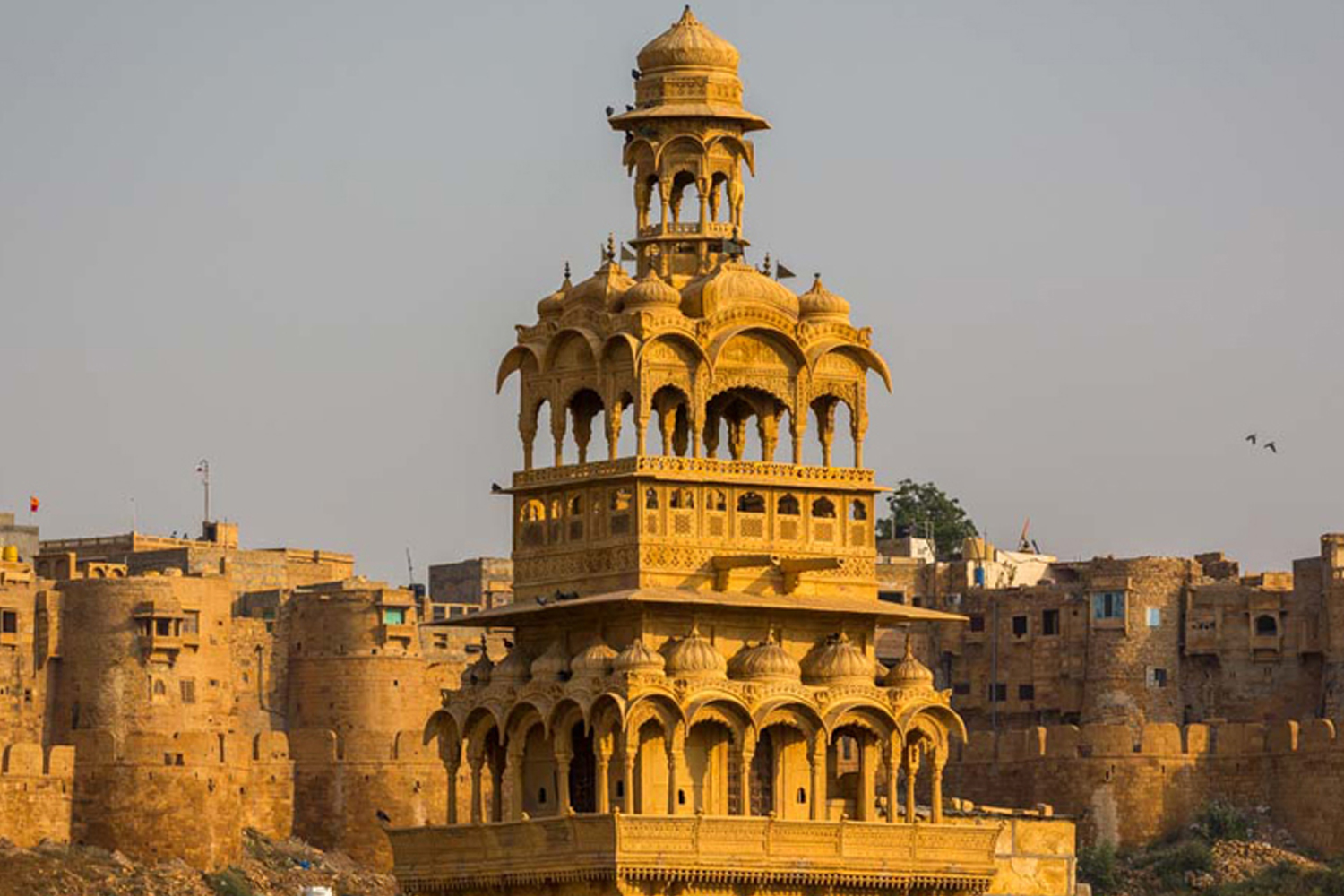
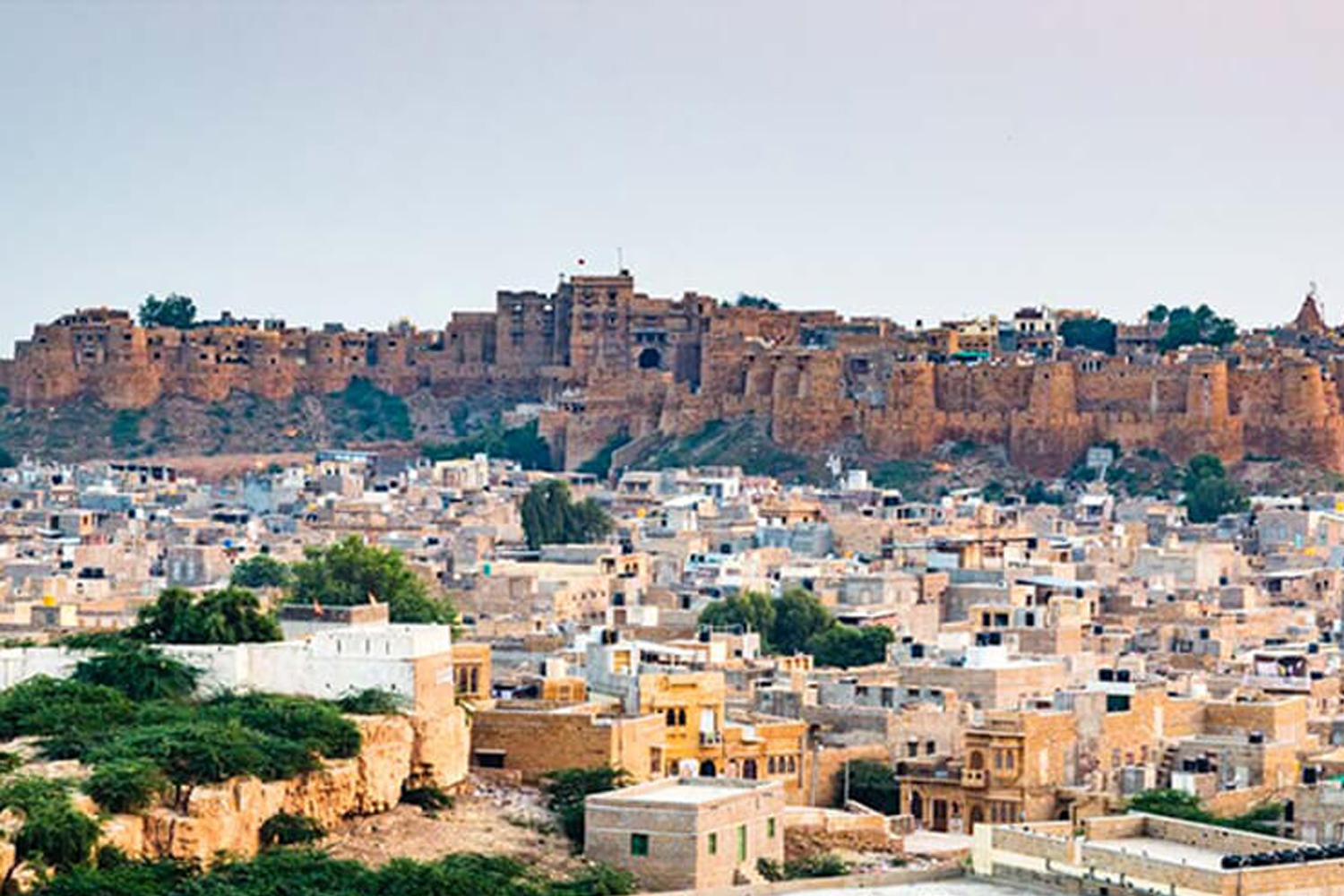
The captivating city of Jaisalmer, founded by Prince Jaisal in 1156 AD, has been dubbed Golden City because of the honey colour imparted to its yellow sandstone walls by the setting sun. With the crenellated
walls and narrow streets lined with exquisitely carved buildings, it has an extraordinary medieval feel. On arrival, check in to the hotel, leisure and overnight at hotel.
Meals Included: Breakfast
Overnight at Jaisalmer
Day 13: Jaisalmer
After breakfast, proceed for sightseeing tour of Jaisalmer.
Throbbing in the heart of the Thar Desert, Jaisalmer is an intricately moulded wonderland. Take a half-day sightseeing tour of this city of gilded magic. See the fort built by Rawal Jaisal atop the 80 m
high Trikuta hill, where a fourth of the population still lives. Within the fort are also beautifully carved Jain temples of the 12th to the 15th centuries.
See Badal Vilas Palace - the former ruler’s 20th century palace. Desert Culture Centre which has interesting info about Rajasthani culture, as well as traditional instruments. Also visit some impressive
merchant mansions (havelis) including Patwonki Haveli (1805).
In the evening go for a Sunset Camel Safari. Enjoy the bumpy ride in Jaisalmer a unique experience.
Meals Included: Breakfast
Overnight at Jaisalmer
Day 14: Jaisalmer
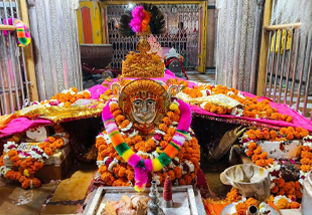
After breakfast, visit the The Tanot Mata Temple situated in the Tanot village of district Jaisalmer, is a major attraction for those visiting the Thar Desert in Rajasthan. It is enveloped within
numerous legends that are sure to instil awe and curiosity towards its sacred power and purity. The heritage site is preserved and maintained by the Border Security Force (BSF) of India since the Indo-Pakistan
war in 1971.
Also see the Ramdevra Temple is sacred to the folk deity of Rajasthan, Baba Ramdevji. The temple marks the eternal resting place of Baba Ramdevji, a saint of the 14th century who Hindus regard as
the incarnation of Lord Krishna, while Muslims venerate him as Ramshah Pir.
Visit the Pokharan Fort- Balagarh fort was built by the Marwar Thakur, Rao Maldeo in the 14th Century, it is otherwise known as the Pokhran Fort. Pokhran means the place of five mirages enclosed by
sandy, rocky, salt ranges. Although a small temple made of red sandstone, the fort is dedicated to Goddess Durga. It is situated in a remote region of the Thar desert which also served as a test site for
India's first underground nuclear weapon detonations.
Visit the Manak Chowk, located in the market area, is a popular shopping zone to buy decorative leather works, traditional silver jewelry, craft work and ancient artefacts.
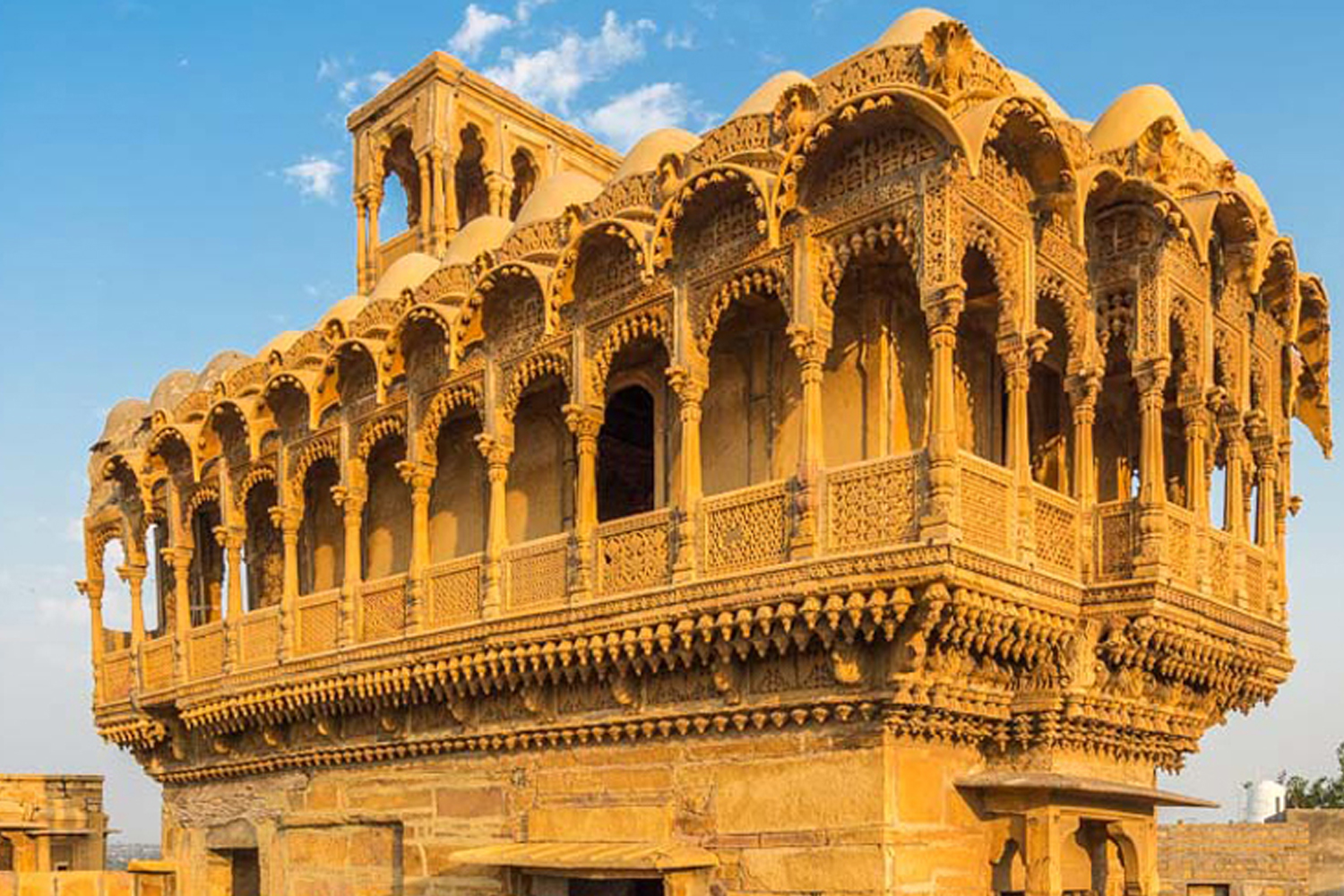
See the Salim Singh Ki Haveli was built in 1815 by Salim Singh, the prime minister of the kingdom when Jaisalmer was the capital. This mansion was not created with the help of cements and mortar-
the stones are connected with strong iron rods. This mansion is famous for its distinctive architecture as it is constitutes 38 gracefully carved balconies. The architecture of this mansion is inspired by
dancing peacock. One of the most ambitious constructions of its times, the Haveli is so magnificent, that it even invited the ruler's envy during its era.
One of the relics of Rajasthan's illustrious past, Bada Bagh in Jaisalmer is primarily a series of cenotaphs set amidst a garden. The glorious golden cenotaphs gleam in the deserts of Jaisalmer and
the adjoining garden. It is located about 6 kms north of Jaisalmer, on the way to Ramgarh. Bada Bagh, translated literally as 'Big Garden', is a garden complex nestled between Jaisalmer and Lodhruva in Rajasthan.
This is a popular site because it is a garden that has the cenotaphs of all the Maharajas and other prestigious family members of Jaisalmer; all royal Rajputs kings of 6 centuries!
Meals Included: Breakfast
Overnight at Jaisalmer
Day 15: New Delhi
After a hearty breakfast, check out from hotel and get transferred to Jaisalmer airport and fly to New Delhi International Airport to board the flight to your native place. (Reach 3 hours in prior for international flights).
Meals Included: Breakfast
Tour Ends with Sweet Memories !!